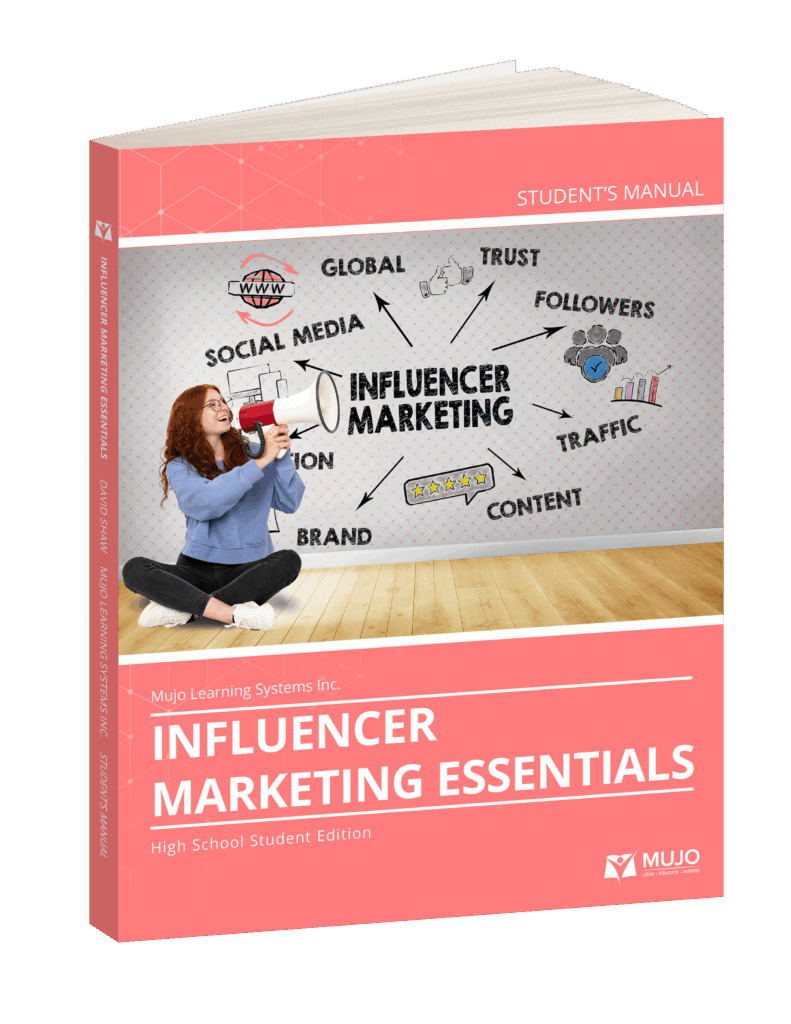





Choosing the right social media marketing textbook can make or break your course. With platforms evolving daily and new features launching constantly, instructors need curriculum materials that keep pace with change while providing students with practical, job-ready skills. Whether you’re launching a new social media marketing course or updating your existing curriculum, this comprehensive instructor textbook guide will help you evaluate your options and select the best social media marketing textbook 2026 has to offer.
Why Textbook Selection for Social Media Marketing Matters More Than Ever
Social media marketing education has reached a critical inflection point. Students entering the workforce face employers who expect immediate competency across multiple platforms, understanding of both organic and paid strategies, and the ability to analyze metrics and optimize campaigns in real time.
The right textbook doesn’t just teach theory. It bridges the gap between classroom learning and workplace application, ensuring students graduate with skills they’ll use on day one. Poor textbook selection, on the other hand, can leave students struggling with outdated tactics, irrelevant case studies, and theoretical concepts disconnected from current industry practices.
As you begin your textbook selection for social media marketing courses, this checklist will help you evaluate options systematically and choose materials that truly serve your students’ needs.
The Complete Social Media Textbook Selection Checklist
1. Platform Coverage and Currency
What to look for: The best social media marketing textbook 2026 should comprehensively cover the platforms students will actually use in their careers. This means going beyond Facebook and Instagram to include TikTok, LinkedIn, YouTube, and emerging platforms gaining traction.
Evaluation questions:
- Does the textbook cover all major platforms your students need to know?
- How recently was the content updated to reflect current platform features?
- Are platform-specific advertising capabilities explained in depth?
- Does the content distinguish between personal use, business communication, and advertising approaches?
Look for textbooks that take a multifaceted approach to each platform. Students need to understand not just how to post content, but how to leverage each platform’s unique features for business goals. Mujo’s Social Media Marketing Strategies textbook covers Facebook, Twitter, Instagram, LinkedIn, YouTube, and additional channels, breaking down the three distinct ways marketers use each platform.
Ready to see comprehensive platform coverage in action? Request a free instructor sample to evaluate whether the content meets your course needs.
2. Real-World Case Studies and Examples
What to look for: Students learn best when they can see concepts applied in real situations. The textbook should include contemporary case studies featuring recognizable brands, successful campaigns, and importantly, failures that serve as cautionary tales.
Evaluation questions:
- Are case studies recent and relevant to today’s social media landscape?
- Do examples span various industries and business sizes?
- Are both successes and failures examined to provide balanced learning?
- Can students extract actionable lessons from each case study?
Effective case studies feature brands students recognize, like Starbucks, Nike, or smaller businesses executing creative campaigns. The best examples demonstrate clear objectives, strategic decisions, execution details, and measurable results or consequences.
3. Instructor Support Materials
What to look for: Your time is valuable. The best social media marketing textbook 2026 options come bundled with comprehensive teaching resources that save preparation time while enhancing delivery quality.
Evaluation questions:
- Does the textbook include a detailed teacher manual with lesson plans?
- Are PowerPoint presentations or lecture slides provided?
- Is there access to supplemental videos or digital resources?
- Are assessment materials like quizzes, exams, and rubrics included?
- Can you customize materials to fit your specific course structure?
Some textbook publishers provide minute-by-minute lesson plans that guide instructors through each class session, ensuring thorough coverage of essential concepts. Mujo’s Teacher Resource Cloud includes instructional video tutorials, ready-to-use presentations, and comprehensive assessment materials, all designed to make course delivery seamless even for instructors new to social media marketing.
Want to experience instructor support firsthand? Schedule a demo to explore the complete teaching ecosystem.
4. Hands-On Activities and Assignments
What to look for: Social media marketing is learned by doing. The textbook should include practical assignments that require students to apply concepts, analyze real campaigns, create content, and develop strategies.
Evaluation questions:
- Are assignments realistic and applicable to actual business scenarios?
- Do activities build progressively in complexity throughout the course?
- Can students create portfolio pieces that demonstrate skills to future employers?
- Are group projects included to simulate real agency or team environments?
Look for textbooks offering diverse assignment types including content creation exercises, campaign planning projects, analytics interpretation tasks, and competitive analysis activities. These hands-on experiences transform theoretical knowledge into practical competence.
5. Analytics and Measurement Coverage
What to look for: Understanding metrics separates social media users from social media marketers. Your textbook should thoroughly cover analytics, KPIs, reporting, and data-driven decision making.
Evaluation questions:
- Does the textbook explain key metrics like engagement rate, reach, impressions, and conversion?
- Are students taught how to use platform-specific analytics tools?
- Is there guidance on creating reports and presenting findings to stakeholders?
- Does content cover both organic and paid campaign measurement?
Students need to move beyond vanity metrics to understand which numbers actually matter for different business objectives. The best textbooks connect analytics directly to strategy optimization and ROI calculation.
6. Paid Advertising and Budgeting
What to look for: Organic reach continues declining across platforms. Students must understand paid advertising fundamentals including targeting, budget management, ad formats, and campaign optimization.
Evaluation questions:
- Are all major advertising platforms covered in depth?
- Does content explain targeting options and audience segmentation?
- Is budget allocation and bid strategy discussed?
- Are students taught to analyze ad performance and optimize campaigns?
Comprehensive coverage should include Facebook Ads Manager, Instagram advertising, LinkedIn sponsored content, TikTok ads, YouTube advertising, and X promoted posts. Students should understand when to use each platform and how to maximize limited advertising budgets.
7. Content Strategy and Creation
What to look for: Creating engaging content sits at the heart of social media marketing success. Your textbook should guide students through strategic content planning, creation best practices, and optimization techniques.
Evaluation questions:
- Does the textbook cover content strategy development and planning?
- Are different content formats (video, images, stories, live streaming) addressed?
- Is there guidance on maintaining brand consistency across platforms?
- Are content calendars and scheduling tools discussed?
Students should learn how to identify audience preferences, create platform-appropriate content, develop cohesive campaigns, and maintain consistent posting schedules. The connection between content quality and algorithm performance should be clearly explained.
8. Integration with Broader Marketing Strategies
What to look for: Social media marketing doesn’t exist in isolation. The best textbooks position social media within comprehensive digital marketing strategies alongside SEO, email marketing, content marketing, and other channels.
Evaluation questions:
- Does the textbook explain how social media fits into overall marketing strategies?
- Are cross-channel campaigns and integration discussed?
- Is there coverage of customer journey mapping across touchpoints?
- Are students taught to align social media efforts with business objectives?
Students should understand that social media marketing works best when coordinated with other marketing channels. Look for textbooks that address integrated marketing communications and omnichannel customer experiences. If you’re building a comprehensive digital marketing program, explore Mujo’s complete curriculum covering all essential digital marketing disciplines.
9. Ethical Considerations and Best Practices
What to look for: Social media marketing carries ethical responsibilities including data privacy, transparency, authenticity, and regulatory compliance. Your textbook should address these considerations seriously.
Evaluation questions:
- Are FTC disclosure requirements for sponsored content explained?
- Is data privacy and ethical data collection discussed?
- Does content address authentic engagement versus manipulative tactics?
- Are crisis management and reputation protection covered?
Students entering the workforce need clear guidance on navigating ethical gray areas, complying with regulations, and building authentic audience relationships. Case studies of ethical failures provide valuable learning opportunities.
10. Accessibility and Format Options
What to look for: How students access and interact with textbook content impacts learning outcomes. Consider whether you need print, digital, or hybrid options and whether materials are accessible to all students.
Evaluation questions:
- Is the textbook available in formats that work for your teaching environment?
- Are digital materials mobile-friendly for student access anywhere?
- Is content accessible to students with disabilities?
- Can materials integrate with your Learning Management System (LMS)?
Many institutions now require digital options that work seamlessly in hybrid or fully online courses. Mujo’s textbooks integrate directly with your LMS, supporting in-person, hybrid, and online delivery models with full accessibility built in.
Teaching online or hybrid? Confirm your textbook selection includes robust digital support.
11. Regular Updates and Content Maintenance
What to look for: Social media platforms change constantly. Your textbook publisher should commit to regular updates that reflect current features, best practices, and industry standards.
Evaluation questions:
- How frequently is the textbook content updated?
- Does the publisher provide updates for significant platform changes?
- Are instructors notified when new content or resources become available?
- Is there a clear process for accessing updated materials?
Static textbooks become outdated quickly in social media marketing. Publishers who maintain living curricula with regular updates provide far more value over time. Mujo continuously refreshes content to reflect current trends, ensuring students learn what’s relevant now, not what worked three years ago.
12. Cost and Value Considerations
What to look for: Price matters, but value matters more. Evaluate the complete package including textbook, instructor resources, digital access, and ongoing support when comparing options.
Evaluation questions:
- Is the textbook priced competitively for your students?
- What’s included beyond the base textbook (instructor resources, digital access, updates)?
- Are volume discounts available for departmental or institutional adoption?
- Does the publisher offer examination copies for evaluation?
The cheapest option rarely delivers the best value. Consider the total cost of ownership including your preparation time, the quality of student outcomes, and the comprehensiveness of included resources. Publishers offering complete teaching ecosystems often deliver better ROI than budget alternatives requiring significant supplementation.
Compare value, not just price. Request learning outcomes documentation to see how textbooks align with your program goals.
Making Your Final Decision
After evaluating options using this checklist, you should have clear frontrunners. Before making your final textbook selection for social media marketing courses, take these steps:
- Request examination copies: Most publishers provide free instructor samples. Review actual content, not just descriptions or sample chapters. Test assignments with your own trial runs to evaluate difficulty and relevance.
- Speak with current users: Ask the publisher to connect you with instructors currently using the textbook. Peer feedback about implementation experiences, student engagement, and ongoing support proves invaluable.
- Review learning outcomes: Ensure the textbook aligns with your course objectives, department standards, and any accreditation requirements. Request detailed learning outcomes documentation to verify alignment.
- Evaluate the complete ecosystem: Look beyond just the textbook to instructor resources, digital platforms, assessment tools, and ongoing support. The complete package matters more than any single component.
- Consider implementation support: Does the publisher provide onboarding, training, or ongoing instructor assistance? Implementation support accelerates course launch and ensures you maximize available resources.
Why Mujo's Social Media Marketing Textbook Stands Out
When evaluating the best social media marketing textbook 2025 options, Mujo’s Social Media Marketing Strategies consistently ranks as a top choice for higher education instructors. Here’s why:
Written by agency professionals: Content comes from practitioners with over 30 years of experience, not just academics. Students learn strategies currently being used to drive real business results.
Three-perspective approach: The textbook breaks down personal use, business communication, and advertising for each platform, giving students comprehensive understanding most competitors miss.
Complete teaching ecosystem: Minute-by-minute lesson plans, hundreds of instructional videos, PowerPoint decks, assignments, assessments, and supplemental materials save preparation time and enhance delivery quality.
Regular updates: Content stays current with platform changes, algorithm updates, and evolving best practices. You teach what’s relevant today, not outdated tactics.
Proven results: Hundreds of institutions across North America trust Mujo’s curriculum to prepare students for digital marketing careers.
Ready to make your textbook selection? Request your free instructor sample and experience the difference comprehensive curriculum makes.
Preparing for Successful Course Launch
Once you’ve selected your textbook, invest time in thorough preparation before the semester begins:
Familiarize yourself with all resources: Review the complete teacher manual, explore digital resources, and test any technology integrations. Understanding everything available ensures you leverage all tools effectively.
Customize as needed: Adapt lesson plans, assignments, and assessments to fit your specific course structure, student population, and institutional requirements. Good publishers provide flexible materials that accommodate customization.
Plan your semester calendar: Map textbook chapters to your course schedule, ensuring adequate time for both instruction and hands-on practice. Social media marketing requires doing, not just reading.
Prepare students for hands-on work: Set expectations early that students will create actual social media content, analyze real campaigns, and develop strategic plans. Ensure they understand required platforms and tools.
Connect with publisher support: Take advantage of any onboarding sessions, instructor training, or ongoing support the publisher offers. These resources accelerate your confidence and course quality.
Your Next Steps
Selecting the right textbook for your social media marketing course directly impacts student outcomes, teaching effectiveness, and ultimately, graduate employability. Use this instructor textbook guide to evaluate options systematically rather than relying on recommendations alone or defaulting to familiar publishers.
The best social media marketing textbook 2026 combines comprehensive platform coverage, practical assignments, robust instructor support, regular updates, and proven results. It saves you preparation time while enhancing student engagement and learning outcomes.
Ready to find your perfect textbook match?
Request Free Instructor Samples and evaluate Mujo’s complete teaching ecosystem firsthand. Compare content quality, instructor resources, and student engagement potential.
Schedule a Demo to see how Mujo’s Teacher Resource Cloud works, explore digital materials, and ask questions specific to your course needs.
View Complete Curriculum if you’re building a comprehensive digital marketing program beyond just social media marketing.
Compare Learning Outcomes to verify alignment with your program objectives and accreditation requirements.
Making the right textbook selection for social media marketing sets the foundation for course success. Invest the time to evaluate thoroughly, and you’ll reap benefits throughout every semester you teach the course. Your students deserve curriculum materials that prepare them for real careers. Choose textbooks that deliver on that promise.
Still have questions about textbook selection? Contact Mujo’s education specialists at 1-888-536-6856 or email admin@mujo.com. We’re here to help you build the social media marketing course your students need.